

Fox News host Brian Kilmeade publicly challenged Vice President JD Vance on Friday after the vice president delivered pointed remarks aimed at Israel during a White House briefing, highlighting growing tensions surrounding the Trump administration’s newly announced agreement with Iran.
The disagreement emerged just hours after Vance’s planned trip to Switzerland — where he was expected to formalize the latest phase of President Donald Trump’s Iran deal — was postponed. The delay came on what was technically the first day of a 60-day ceasefire established under the framework agreement.
At the center of the controversy were comments Vance made Thursday when reporters asked him about reports that Israeli Prime Minister Benjamin Netanyahu was “fuming” over the administration’s 14-point memorandum of understanding with Iran.
Rather than directing criticism toward Tehran, Vance suggested frustration in Jerusalem was misplaced.
“If I was in the cabinet of the Israeli government, I might not be attacking the only powerful ally that I have anywhere left in the entire world,” Vance said.
The vice president continued by arguing that Israel’s challenges extend far beyond disagreements with Washington.
“The problem for Israel is not Donald J. Trump, and anybody in Israel who thinks their biggest problem is the president of the United States needs to wake up and smell the reality of the situation that country is in,” Vance added.
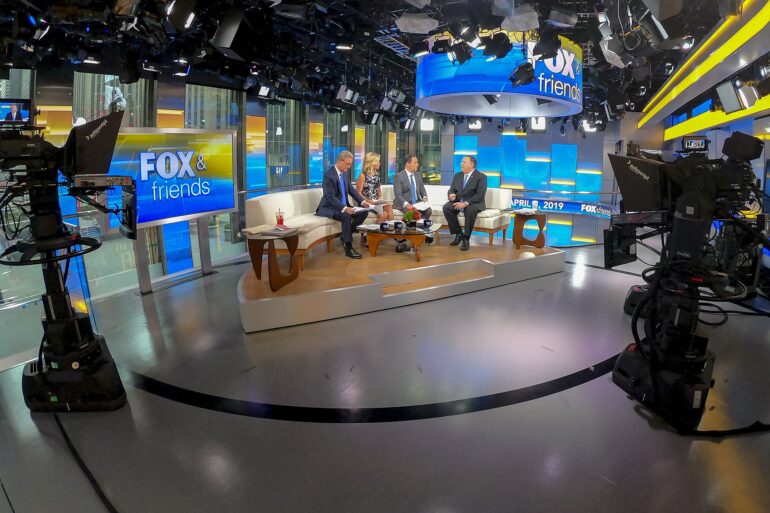
Those comments quickly drew attention, including from Kilmeade, who used Friday morning’s edition of Fox & Friends to express surprise at the vice president’s tone.
“Kind of shocked to see JD Vance go after Israel yesterday,” Kilmeade said.
The Fox host argued that he would rather see the administration direct stronger criticism toward Iran than toward one of America’s closest partners in the region.
“I wish he would be that tough with Iran,” Kilmeade added.
Kilmeade also pointed to ongoing security concerns facing Israel, noting that four Israel Defense Forces soldiers had reportedly been killed. In his view, such events help explain Israeli skepticism toward negotiations and ceasefire arrangements.
“Israel, if this is the reason they put these talks on hold, Israel had four IDF soldiers killed. What do you expect them to do?” Kilmeade asked.
The host further questioned whether Israel had been given sufficient information about the contents of the agreement before being expected to support it.

“And if you want them to go along with the plan you should tell them what is in the plan,” he said. “They were not even in the talks. All of a sudden they are roped into it.”
Kilmeade also discussed Hezbollah’s role in the conflict, arguing that responsibility for reducing tensions ultimately falls on Iran’s influence over the group.
“It’s up to Iran to tell Hezbollah who does whatever you tell them to knock it off,” he said. “And then Israel will knock it off.”
The exchange underscores the increasingly contentious debate surrounding the Trump administration’s effort to negotiate an end to the conflict through the memorandum of understanding. While supporters see the agreement as a potential pathway toward reducing hostilities and bringing stability to a region battered by months of war, critics from across the political spectrum remain deeply skeptical.
The agreement has already generated bipartisan backlash, with opponents questioning whether certain provisions offer too many concessions to Iran. Even some of Trump’s most vocal supporters have expressed concern that aspects of the deal could ultimately benefit Tehran more than they are comfortable accepting.
With Vance’s Switzerland trip now postponed and questions continuing to swirl around the details of the agreement, debate over the administration’s strategy shows little sign of fading. As negotiations move forward, disagreements among allies and supporters alike are becoming a central part of the conversation surrounding efforts to bring the conflict to a close.
[READ MORE: Supreme Court Sides With Gun Owner in Major Second Amendment Ruling on Marijuana Use]