
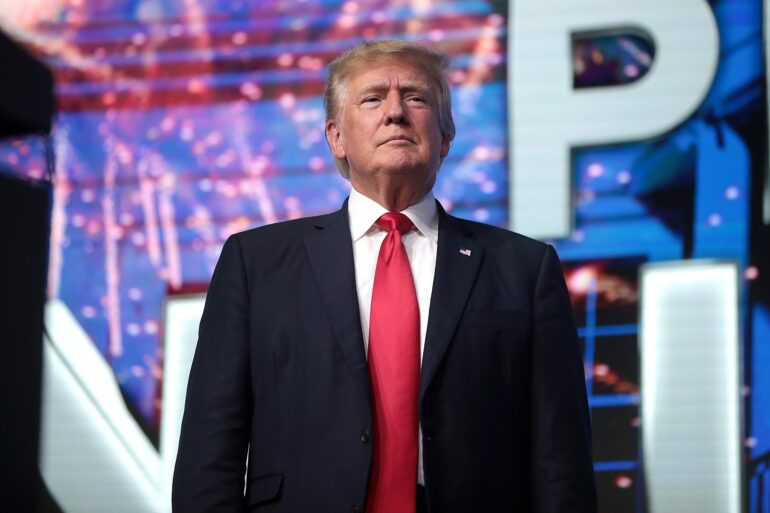

President Donald Trump’s nomination of Dr. Nicole Saphier for surgeon general is drawing renewed attention after reports surfaced that the physician deleted a series of social media posts critical of the administration’s public health leadership.
The deleted posts, some of which were written just months before her nomination, reveal a more skeptical tone toward key policies and officials than her current alignment might suggest. In one March post, Saphier questioned whether the administration was downplaying the spread of measles, writing that it “seems like they may not want to admit the U.S. measles elimination status is gone until after midterm elections.”
Other now-removed posts also raised concerns about transparency and consistency in public health messaging. In one, Saphier noted she had questions about the president’s MRI, echoing broader public speculation at the time. In the same message, she criticized what she described as a failure by some officials to address issues such as Covid natural immunity, vaccines, masking, and shutdowns.
Her criticism extended to policy direction as well. Saphier expressed unease with certain health recommendations tied to the administration and the Make America Healthy Again movement, including remarks related to pregnancy and autism. “Words matter. Facts matter too,” she wrote in one post reacting to comments about potential links between Tylenol and autism.
Perhaps most notably, she voiced frustration with changes to the nation’s vaccine framework, warning that reforms had tipped into disorder. “The system needed reform, but not chaos,” she wrote, adding that “the pendulum swung too far” and calling for a “measured reset” grounded in transparency and data-driven guidance.
The resurfacing of these posts comes as Saphier steps into a role that demands both scientific credibility and public trust—qualities that can be strained when messaging appears to shift with political winds. Her earlier comments suggest a tension that has increasingly defined public health debates in recent years: the balance between reform and stability, and the risks when that balance gives way to confusion.
Saphier’s nomination follows a series of changes for the surgeon general position. Trump had previously nominated Dr. Casey Means in 2025 after withdrawing Dr. Janette Nesheiwat. Means initially faced resistance across the political spectrum before later aligning with Health and Human Services Secretary Robert F. Kennedy Jr. and the MAHA movement.

In an additional twist, Saphier herself had publicly questioned Means’ qualifications before ultimately being tapped for the role, arguing that the former nominee lacked the leadership background necessary for the position.
As Washington continues to grapple with complex health challenges, the episode underscores the importance of consistent, transparent leadership—particularly in times when public trust is already under strain. While internal debate and criticism can be signs of a healthy process, the quiet deletion of past concerns may leave lingering questions about how those debates are resolved once the spotlight turns to governing.
[READ MORE: New York Times Faces Discrimination Lawsuit Amid Rising Tensions with Trump Administration]