

A pointed exchange on Fox News highlighted growing concerns among Americans facing higher gas prices, even as the administration insists its energy strategy is delivering results during a time of global instability.
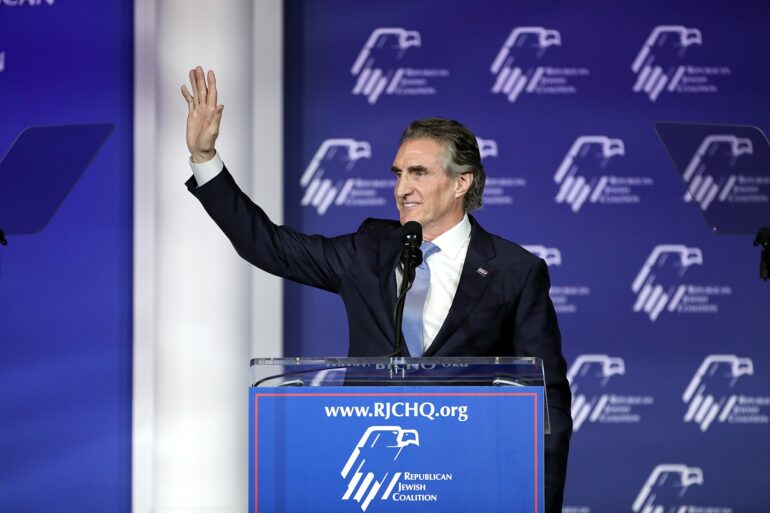
Anchor Martha MacCallum pressed Interior Secretary Doug Burgum on Friday over the disconnect many Americans are feeling at the pump. While Burgum argued that President Donald Trump’s energy policies have positioned the United States to achieve “the lowest energy prices in the world right now,” MacCallum countered with a reality many drivers are seeing firsthand: prices have climbed sharply since the start of the Iran conflict.
Since joint U.S.-Israeli strikes on Iran began on February 28, tensions in the region have disrupted global energy markets. Iran has retaliated with attacks on energy-producing areas and shuttered the Strait of Hormuz, a critical transit route for a significant share of the world’s oil supply. The result has been a surge in oil prices, with global benchmarks jumping dramatically as supply concerns ripple across markets.
MacCallum noted that the average cost per gallon has risen by nearly a dollar since the start of Operation Epic Fury, underscoring the economic impact of a conflict unfolding thousands of miles away. She also referenced concerns raised by Senator Mark Warner, who warned that the administration’s actions could reverberate across the broader economy and potentially trigger a major energy crisis.
Burgum pushed back, arguing that the administration’s “energy dominance” strategy was designed specifically for moments like this. He pointed to efforts to increase domestic production and expand supply through partnerships with allies, emphasizing that the goal is not only energy independence but also the ability to supply allies and reduce reliance on adversaries.
He also criticized Democrats, saying those now raising concerns about gas prices were largely silent when prices exceeded $5 per gallon under the previous administration. Burgum attributed those higher costs to what he described as policies that restricted fuel supply while pushing aggressively toward an all-electric future.
In contrast, he described Trump’s approach as “180-degrees different,” focused on expanding American energy production and unlocking domestic resources. He highlighted recent developments such as increased leasing activity in Alaska and the opening of areas for oil and gas production that had previously been off-limits.
Still, MacCallum returned to the central question many Americans are asking: if the strategy is working, why are prices still rising?
Burgum acknowledged the current strain but described it as temporary. He pointed to disruptions tied to the Strait of Hormuz as a key factor, calling it a critical choke point affecting global transit rather than a reflection of underlying supply shortages. He expressed confidence that energy supplies will continue to grow and that prices will stabilize over time.
Yet the exchange reflects a broader tension playing out across the country. While long-term policy goals may aim to secure energy independence, the immediate effects of geopolitical conflict are being felt in real time by consumers. Rising fuel costs have historically been one of the most visible reminders of how events abroad can quickly impact life at home.
As the conflict continues, the debate is likely to intensify. For now, Americans are left navigating higher prices at the pump, even as officials argue that the current strain is temporary—a situation that underscores how even the most ambitious energy strategies can be tested when global conflict enters the equation.