
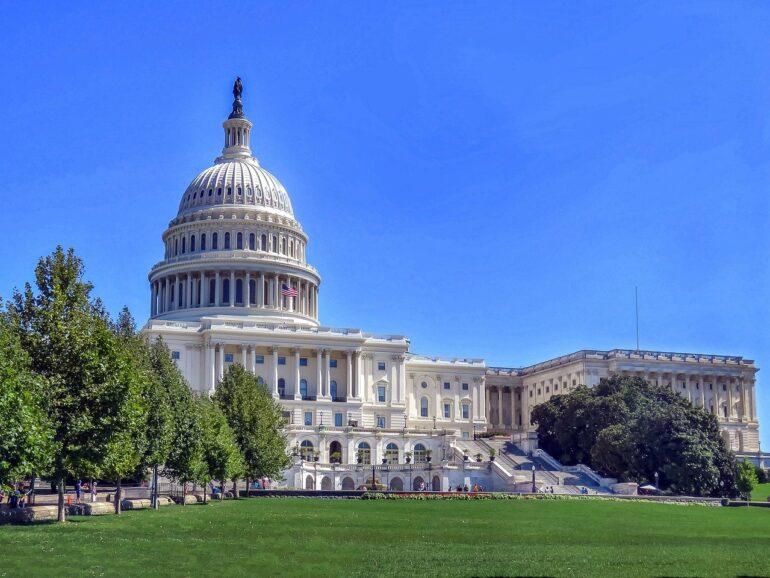

House Republicans are moving to place new limits on the Trump administration’s ability to reduce U.S. troop levels overseas, while also slowing plans for a new generation of battleships until the Navy can demonstrate the necessary technology is ready.
The proposed National Defense Authorization Act (NDAA), released Tuesday, reflects growing concern among lawmakers over recent Pentagon decisions involving American military deployments in Europe and Asia. The 505-page defense policy bill includes provisions aimed at preserving current troop levels abroad and maintaining key military commitments to allies.
At the center of the debate are recent moves by the Trump administration to reposition American forces. Lawmakers pointed specifically to the withdrawal of 5,000 troops from Germany, the delayed rotation of 4,000 service members to Poland, and reductions to the U.S. military presence in Romania. Critics within Congress have argued that such decisions risk undermining NATO and sending an unintended message to Russia.
The draft legislation would extend restrictions enacted in last year’s NDAA, preserving a minimum force posture of 76,000 American troops in Europe and 28,500 in South Korea. The bill would also continue requirements that the Pentagon certify any reductions below those levels are in the national security interests of the United States.
House lawmakers expressed “great concern” over the delayed troop rotation to Poland and highlighted an existing 60-day notification requirement before major force movements can occur. The legislation would further require the Pentagon to justify why troops could not instead be stationed on NATO’s eastern flank if future reductions are pursued.
Additional provisions would prevent the administration from removing more than $500,000 worth of military technology from Europe and would block efforts to eliminate the position of Supreme Allied Commander Europe, one of NATO’s most important military leadership roles.
The proposal comes amid broader disagreements over America’s global military commitments. President Trump has repeatedly criticized NATO allies and other partners for what he views as insufficient support during tensions surrounding the Iran conflict and efforts to reopen the Strait of Hormuz. He has also floated the possibility of moving troops from countries he believes are not contributing enough.
Meanwhile, administration officials reportedly informed allies last week of plans to reduce the number of bombers, fighter jets, drones, submarines, and warships dedicated to NATO operations, as Washington encourages European nations to take greater responsibility for their own defense.
The NDAA also targets another Trump administration priority: the planned “Trump-class” battleship program. The legislation would prohibit construction of the first vessel until the Navy certifies that the project has reached a sufficiently mature technology readiness level.

The Navy announced earlier this month that the battleships would be nuclear-powered and form part of a proposed “Golden Fleet.” The program is expected to cost more than $43 billion for the first three ships and would feature missiles, guns, hypersonic weapons, and high-powered lasers. While supporters tout the vessels’ capabilities, lawmakers appear intent on ensuring technological and financial questions are addressed before construction begins.
The legislation also rejects efforts to formally rename the Department of Defense as the “Department of War.” Although the administration has embraced that branding and changed department websites and social media accounts accordingly, the bill makes no provision for a permanent name change, which would require congressional approval.
As Congress prepares to debate the measure, the bill reflects a broader struggle over the future of America’s military posture abroad. While lawmakers continue to support maintaining a strong defense, the proposal signals concern over rapid troop movements, costly weapons programs, and the long-term consequences of expanding military commitments around the globe.
[READ MORE: Federal Judge Temporarily Halts Trump Anti-Weaponization Fund Amid Growing Legal Fight]