
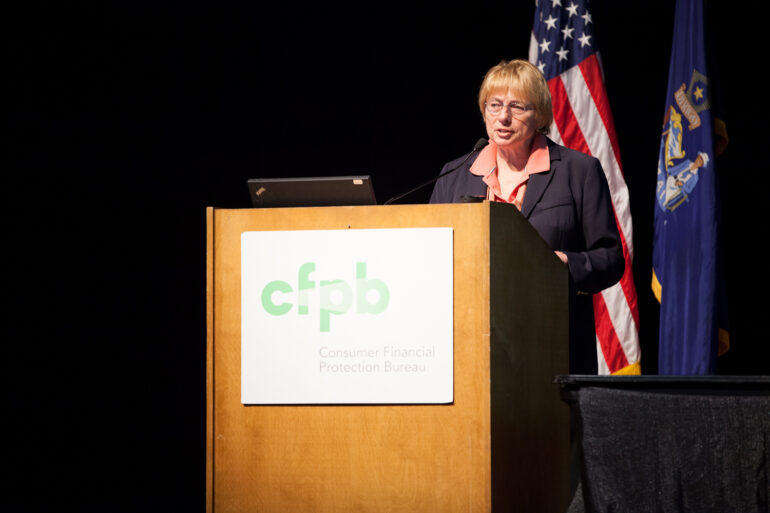

In a move that reshapes Maine’s high-stakes Senate race, Governor Janet Mills announced Thursday she is suspending her campaign, effectively clearing the Democratic primary field for progressive challenger Graham Platner. The decision underscores not only the growing influence of the party’s left flank, but also the harsh financial realities that increasingly dominate modern political campaigns.
Mills, once viewed as a top Democratic recruit, pointed squarely to fundraising struggles as the driving force behind her exit. In a statement, she emphasized that while she possessed the “drive and passion” to continue, the financial demands of a competitive Senate race proved insurmountable. Her departure serves as a reminder that even seasoned politicians with statewide recognition are not immune to the escalating costs of national campaigns.
The development comes as Platner, a figure who has drawn significant scrutiny, maintained a commanding lead in the polls. Despite controversies surrounding a reported Nazi tattoo and past remarks on rape, Platner surged ahead of Mills by a striking 33 points in a recent survey conducted by the Maine People’s Resource Center. That margin suggests a Democratic electorate willing to overlook—or at least move past—serious concerns in favor of a candidate aligned with more progressive priorities.
With Mills stepping aside, Platner now advances to face incumbent Republican Senator Susan Collins in the general election. Collins, long known for her resilience in a politically divided state, remains a formidable opponent. Her track record of surviving tough races has made her one of the most durable Republicans in the Senate, even as Maine has trended away from the GOP at the presidential level.
For Democrats, the stakes in Maine could hardly be higher. The party has identified the seat as a critical piece of its broader strategy to regain control of the Senate in the 2026 midterms. With a narrow path to a majority, every competitive race carries outsized importance, and Maine is widely seen as a must-win battleground.
Yet Mills’ exit raises broader questions about the direction of the Democratic Party and the kind of candidates it is elevating. The contrast between an experienced governor sidelined by financial constraints and a controversial progressive rising to the forefront may signal shifting priorities within the party’s base. At the same time, it highlights how modern campaigns often hinge less on governance experience and more on fundraising prowess and ideological momentum.
As the race moves toward November, the focus will now turn to whether Platner can consolidate Democratic support while addressing the baggage that has followed his campaign. Meanwhile, Collins is likely to emphasize stability and experience, positioning herself as a steady hand amid political turbulence.

Beyond the immediate political implications, the situation also reflects a deeper tension in American politics. The relentless pursuit of campaign funding and electoral advantage can sometimes overshadow substantive debate and careful leadership. In an era marked by intense partisan competition, the question remains whether the system rewards the candidates best equipped to govern—or simply those best able to compete in an increasingly costly political arena.
For now, Mills’ withdrawal marks a turning point in Maine’s Senate race, setting the stage for a closely watched contest with national consequences.
[READ MORE: White House Comms Director Unleashes on Democrat Staffer]