
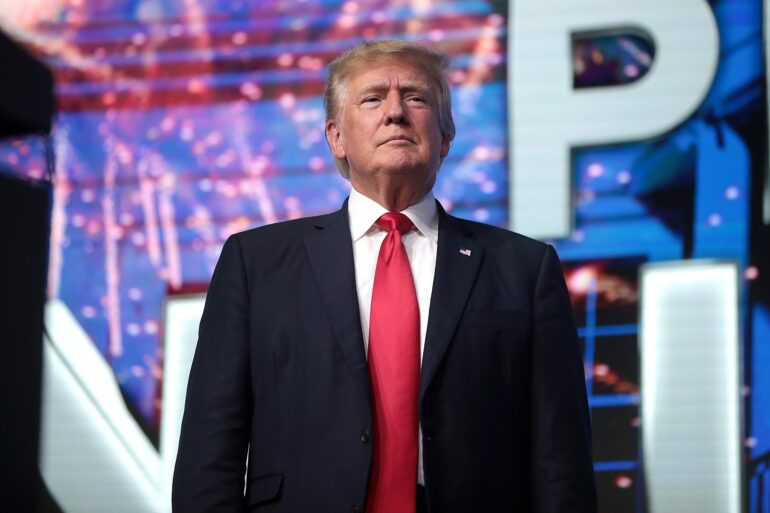

President Donald Trump’s administration took decisive action Wednesday, firing a newly appointed U.S. attorney in New York’s Northern District just hours after federal judges selected him for the role.
Donald Kinsella had been appointed to replace John A. Sarcone III, who stepped down as acting U.S. attorney after a judge barred him from any further involvement in an investigation concerning New York Attorney General Letitia James. The judge ruled that Sarcone was not lawfully serving in the office at the time subpoenas were issued in the case, raising legal questions about his authority.
Federal district judges moved to fill the vacancy by appointing Kinsella. But the situation quickly escalated. Within hours of taking the position, Kinsella received an email from a White House official informing him that he was being removed from the post.
Kinsella told The New York Times that he was uncertain whether the email alone legally constituted his firing. He indicated that he would first consult with the district judges who appointed him before making any decisions about his next steps.
However, Deputy Attorney General Todd Blanche made clear that the administration viewed the matter differently. Responding to a report from a TimesUnion journalist who first broke the story, Blanche declared that Kinsella had been officially dismissed.
“Judges don’t pick U.S. Attorneys, @POTUS does. See Article II of our Constitution,” Blanche wrote. “You are fired, Donald Kinsella.”
Blanche’s comments underscored the administration’s position that the power to appoint U.S. attorneys ultimately rests with the president, citing constitutional authority under Article II.
The episode is the latest chapter in an ongoing dispute between the White House and the courts over the appointment of federal prosecutors. The Trump administration has faced repeated legal challenges regarding the status and authority of certain U.S. attorneys selected to serve in key districts.
In December of last year, Trump’s former personal lawyer, Alina Habba, was removed from her role as New Jersey’s top federal prosecutor after a federal appeals court upheld a lower court ruling that found she had been unlawfully serving in the position.
Similarly, in November, Lindsey Halligan, who had been selected to serve as U.S. attorney in northern Virginia, was ruled to have been “unlawfully appointed.” That determination led to the dismissal of charges against former FBI Director James Comey and Letitia James.
Halligan departed the office in January after a judge sharply criticized her continued court filings identifying herself as the U.S. attorney. The judge described her actions as a “charade of Ms. Halligan masquerading as the United States attorney.”
Wednesday’s developments in New York highlight the continuing friction between judicial rulings and executive authority over federal appointments. As the administration asserts its constitutional prerogative, the legal battles surrounding the status of U.S. attorneys appear far from over.
[READ MORE: Strong January Jobs Report Masks Major Downward Revisions to 2025 Employment Gains]