

A federal judge on Tuesday issued a preliminary injunction blocking the enforcement of key portions of a West Virginia law aimed at restricting artificial food dyes, putting the state’s effort on hold as the case moves forward in court.
U.S. District Judge Irene Berger of the Southern District of West Virginia granted the injunction after a legal challenge brought by the International Association of Color Manufacturers, according to WV Metro News. The ruling temporarily prevents the state from enforcing parts of House Bill 2354, which targets certain color additives labeled in the statute as “poisonous and injurious.”
The law amended Section 16-7-2(b)(7) of state code to include a list of color additives that West Virginia lawmakers sought to restrict. Those additives include butylated hydroxyanisole, propylparaben, FD&C Blue No. 1, FD&C Blue No. 2, FD&C Green No. 3, FD&C Red No. 3, FD&C Red No. 40, FD&C Yellow No. 5, and FD&C Yellow No. 6.
In addition, H.B. 2354 added a separate provision prohibiting the use of those additives in meals served through school nutrition programs. The only exception allowed under the law applies to school fundraising events held on or off campus at least 30 minutes after the end of the school day.
The IACM argued that the law violates the Equal Protection Clause by singling out manufacturers without sufficient justification. According to the injunction order, the group also claimed the law fails a rational basis review because it does not include factual findings explaining why the specific color additives named are unsafe. The association further argued the statute is unconstitutionally vague, saying it fails to define what qualifies as “poisonous and injurious” and could result in arbitrary enforcement.
Judge Berger agreed that the state must offer clearer guidance. In her opinion, she wrote that West Virginia needs to better define what constitutes harmful or poisonous color additives before enforcement can proceed. As a result of the injunction, the West Virginia Department of Health is prohibited from enforcing the challenged provisions while the case undergoes further judicial review.
The ruling comes even though a full ban under the law was not scheduled to take effect until 2028. Still, the injunction pauses implementation until the legal questions are resolved.
H.B. 2354 was signed into law in March 2025 by Republican Gov. Patrick Morrissey. At the time, Morrissey framed the legislation as part of a broader public health push, arguing the state was well positioned to lead efforts to improve health outcomes by addressing food ingredients. He said eliminating harmful chemicals from food would help protect children and address long-term health and learning challenges.

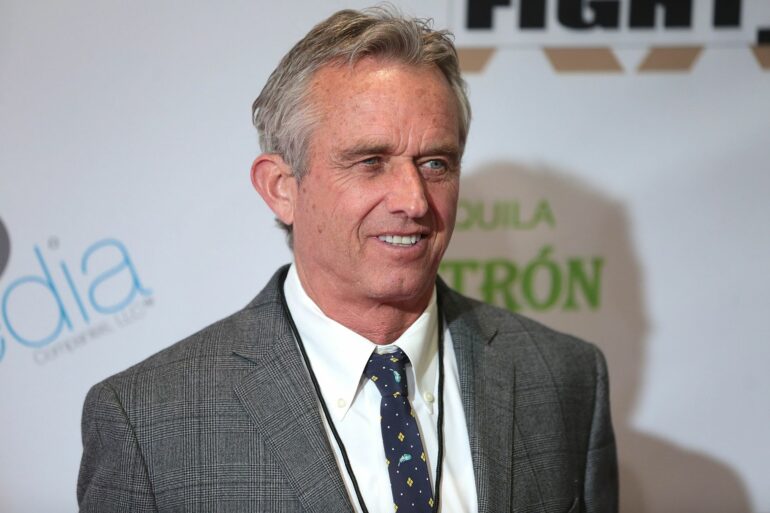
The legal fight in West Virginia also comes as the federal government weighs similar concerns. In April 2025, Health and Human Services Secretary Robert F. Kennedy, Jr. announced plans to eliminate petroleum-based synthetic dyes from the U.S. food supply. Kennedy said the goal was to remove FD&C Green No. 3, FD&C Red No. 40, FD&C Yellow No. 5, FD&C Yellow No. 6, FD&C Blue No. 1, and FD&C Blue No. 2 by the end of 2026.
For now, the judge’s order keeps West Virginia’s law from taking effect, setting the stage for a broader legal debate over state authority, regulatory clarity, and how far governments can go in restricting food additives.
[READ MORE: Chevrolet Taps Family Tradition and Nostalgia With Holiday Road Trip Tribute]