
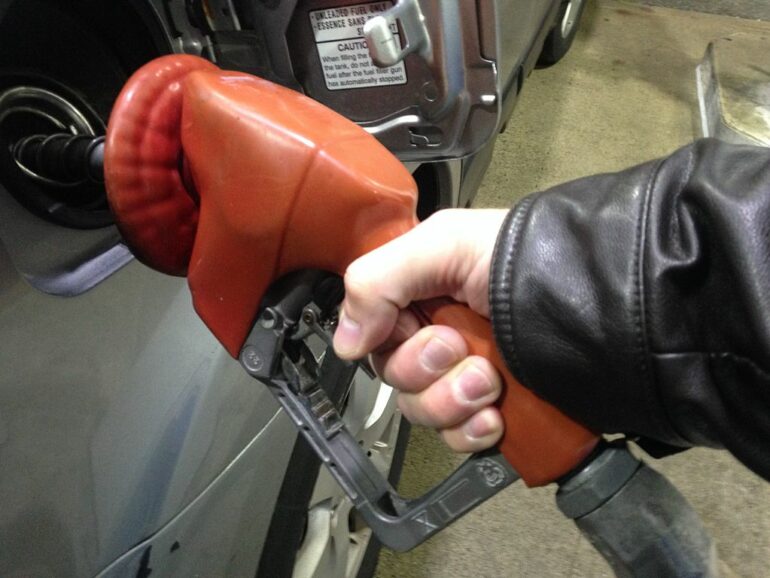

American drivers received some welcome relief at the pump Thursday as the national average price of gasoline dipped below $4 per gallon for the first time in months, following the signing of a memorandum of understanding between the United States and Iran that calls for the reopening of the strategically vital Strait of Hormuz.
According to data from the American Automobile Association (AAA), the national average price for a gallon of regular gasoline stood at approximately $3.99 on Thursday. The organization reported that motorists in 28 states are now paying less than $4 per gallon, while prices remain above that mark in 22 states and Washington, D.C.
The decline comes just one day after President Donald Trump and Iranian President Masoud Pezeshkian signed a 14-point memorandum of understanding aimed at easing tensions and restoring commercial shipping routes that have played a major role in global energy markets.
Pakistani Prime Minister Shehbaz Sharif, who served as a mediator during negotiations between Washington and Tehran, announced Wednesday that the agreement would take immediate effect. Under the terms outlined by Sharif, Iran will reopen the Strait of Hormuz while the United States will lift its naval blockade of Iranian ports. The agreement calls for both sides to remove those shipping restrictions within 30 days.
The Strait of Hormuz remains one of the world’s most important energy chokepoints, with roughly one-fifth of global oil supplies typically passing through the narrow waterway. When Iran imposed restrictions on shipping during the conflict, energy markets reacted sharply.
Before the war involving the United States, Israel, and Iran, average gasoline prices in America had been below $3 per gallon. As disruptions in the Strait of Hormuz intensified and uncertainty spread through global markets, prices surged beyond $4.50 per gallon. The resulting strain was felt not only by American drivers but across economies heavily dependent on stable energy supplies.
Thursday’s market reaction suggested investors viewed the agreement as a positive step toward restoring normal shipping conditions. Oil prices declined following the signing ceremony, with Brent Crude, the international benchmark, trading below $78 per barrel as of Thursday morning.
The contrast with wartime pricing was significant. During the conflict, Brent Crude climbed as high as $120 per barrel. Before hostilities began, the benchmark had been trading at approximately $70 per barrel.
For many Americans, the movement in crude oil markets carries direct consequences at the gas station. Lower oil prices generally translate into reduced fuel costs, though often with a delay as market changes work their way through the supply chain.
Patrick De Haan, head of petroleum analysis at GasBuddy, expressed cautious optimism about where prices could head next. Writing Thursday on social media platform X, De Haan said the national average could fall below $3 per gallon later this year “if everything goes well” and provided hurricanes do not disrupt energy markets.

That caveat remains important. The Atlantic hurricane season began June 1 and continues through November, creating the potential for disruptions that can affect refining operations and fuel distribution networks.
Diesel prices also remain elevated despite recent improvements in oil markets. AAA reported the national average price for diesel at more than $5.12 per gallon on Thursday, compared with less than $3.60 a year ago.
Still, De Haan projected that diesel prices could fall below $5 in the near future and potentially drop beneath $4 later this year.
While energy markets remain sensitive to global events, Thursday’s decline in fuel prices highlighted how quickly easing tensions and reopening critical trade routes can affect household costs. For consumers who have spent months absorbing higher prices tied to disruptions abroad, the latest drop offered a reminder of the economic consequences that often accompany international conflicts.
[READ MORE: Trump Halts DNI Confirmation Push Amid FISA Standoff, Demands Election Measure Be Included]