
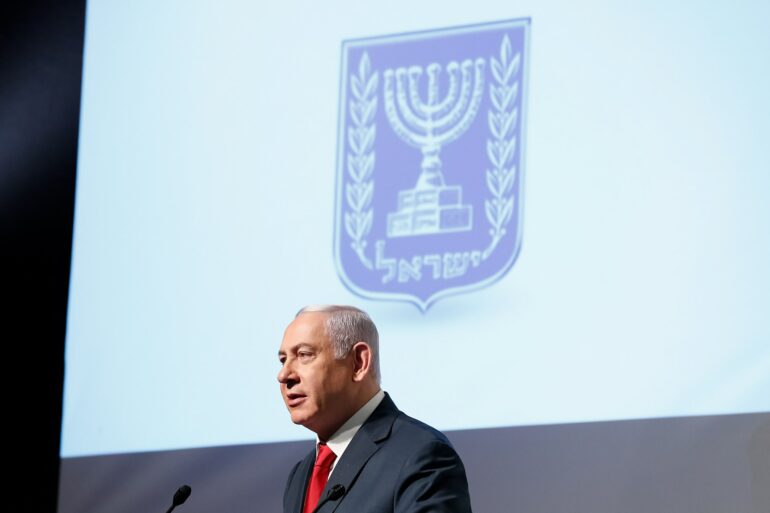

Israeli Prime Minister Benjamin Netanyahu revealed Friday that he is now cancer-free following treatment for early-stage prostate cancer—a diagnosis he chose to keep private during the early weeks of Israel’s conflict with Iran.
In a post shared on X, Netanyahu explained that the decision to withhold the information was deliberate, saying he wanted to avoid giving what he described as the “Iranian terror regime” an opportunity to exploit the situation with propaganda against Israel. The announcement sheds new light on a period already marked by high-stakes tension, where leadership decisions carried both immediate and far-reaching consequences.
According to a report published April 20 by The Jerusalem Post, Netanyahu initially underwent surgery on December 29, 2024, at Hadassah Medical Center to treat benign prostatic hyperplasia, a non-cancerous condition. The procedure was described as successful.
However, a routine MRI conducted afterward revealed a “minuscule suspicious lesion” measuring less than one millimeter. Follow-up testing confirmed that the lesion was early-stage prostate cancer. Importantly, doctors found no signs that the cancer had spread, a factor that significantly shaped the course of treatment.
Despite the seriousness of any cancer diagnosis, particularly for a sitting head of government during wartime, Netanyahu opted not to disclose the information publicly at the time. The decision underscores the intense pressure faced by leaders navigating both personal health challenges and national security crises simultaneously.
In his statement, Netanyahu said he was presented with two options by his doctors: monitor the lesion over time or proceed with immediate treatment. His choice reflected a philosophy he has often expressed in both political and personal contexts.
“You already know me,” he wrote. “When I’m given information in time about a potential danger, I want to address it immediately. This is true on the national level and also on the personal level.”
Netanyahu ultimately underwent targeted treatment, which he said successfully eliminated the cancer without leaving any trace. He confirmed that he has since completed his course of treatment and is now in full remission.
The revelation comes at a moment when the broader regional conflict continues to cast a long shadow, raising questions not only about strategy and outcomes but also about the personal toll on those at the center of decision-making. While Netanyahu framed his medical choice as one of decisive action, the timing of the disclosure highlights the difficult balance leaders often strike between transparency and national interest during times of war.
His recovery marks a positive personal milestone, even as the larger geopolitical landscape remains fraught. And while the prime minister’s swift approach to addressing a medical threat mirrors his stated approach to national dangers, it also serves as a reminder that even the most powerful figures are not immune to the vulnerabilities that come with both leadership and conflict.
[READ MORE:Virginia Court Strikes Down Redistricting Laws, Delivering Major Blow to Democratic Effort]