
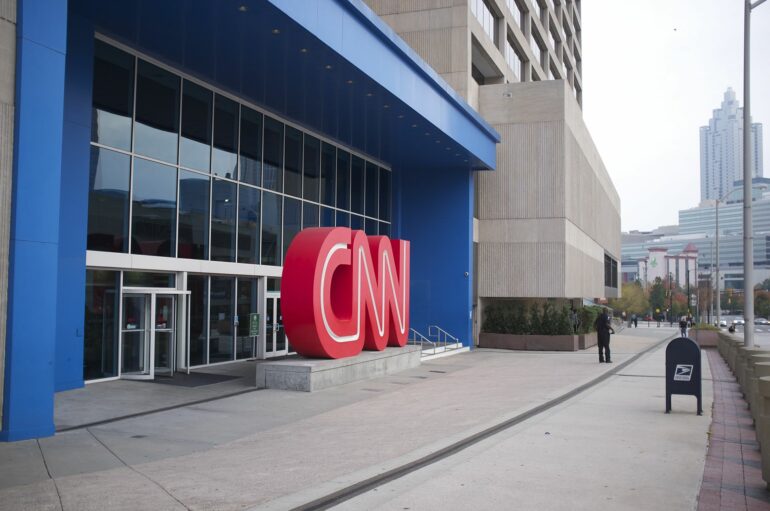

A senior CNN correspondent’s reaction to the newly announced ceasefire between the United States and Iran is now reportedly drawing attention—and criticism—highlighting the deep divisions not only over the conflict itself but also over how it has been covered.
Frederik Pleitgen, who reported from inside Iran during the height of the fighting, said the “world” should “thank” special envoy Steve Witkoff along with Pakistani mediators for helping secure what he described as a “major” ceasefire agreement announced Tuesday.
The deal came after Donald Trump agreed to a last-minute framework centered on a two-week ceasefire, stepping back from earlier warnings that Iranian “civilization” could be wiped out if Tehran failed to meet U.S. demands. The shift marked a dramatic turn from brinkmanship to de-escalation in a matter of hours.
Pleitgen reacted quickly to the news, posting Tuesday night that the agreement “could pave the way for a long term peace.” He also singled out Witkoff and Pakistani intermediaries for praise, urging public recognition of their role in brokering the arrangement.
That sentiment, however, sparked backlash—particularly from liberal commentators who questioned his framing and took issue with his call to “thank” U.S. officials involved in the negotiations. Critics labeled the remarks “bizarre,” arguing that such language was inappropriate given the broader context of the conflict.
The reaction underscores how even moments of potential de-escalation are filtered through sharply partisan lenses. While some observers see a pause in fighting as a welcome step toward stability, others remain skeptical of both the terms of the agreement and the figures credited with achieving it.
Pleitgen’s perspective is shaped in part by his unique reporting position during the conflict. He was the first and only major network journalist granted access to Iran with the approval of the regime, remaining in the country for eight days as U.S. and Israeli strikes were underway. From there, he delivered on-the-ground reports from Tehran and conducted an interview with Kamal Kharazi, a senior advisor connected to the office of Iran’s Supreme Leader.
That access, while offering rare insight into conditions inside Iran, also made him a lightning rod for criticism back home. Supporters of the Trump administration, along with Dylan Johnson, accused Pleitgen of producing coverage that amounted to “pro-Iran regime propaganda.”

The criticism reflects a broader tension that often emerges during wartime reporting: the challenge of balancing access with perceived impartiality. Reporting from within a country engaged in active conflict—especially one under tight government control—can provide valuable firsthand information, but it also invites scrutiny over how that information is gathered and presented.
For his part, Pleitgen has stood by his work. In a later interview with The Guardian, he said he was “not surprised” by the backlash and added that he felt “good” about his coverage.
The episode serves as a reminder that even as leaders move to halt hostilities, the political and media battles surrounding a conflict often continue. While the ceasefire may offer a temporary reprieve from escalating violence, the debate over how the war has been reported—and who deserves credit for stopping it—shows no signs of slowing down.
[READ MORE: Trump Calls Out Fox Hosts as Media Tensions Resurface Amid Policy Debate]