
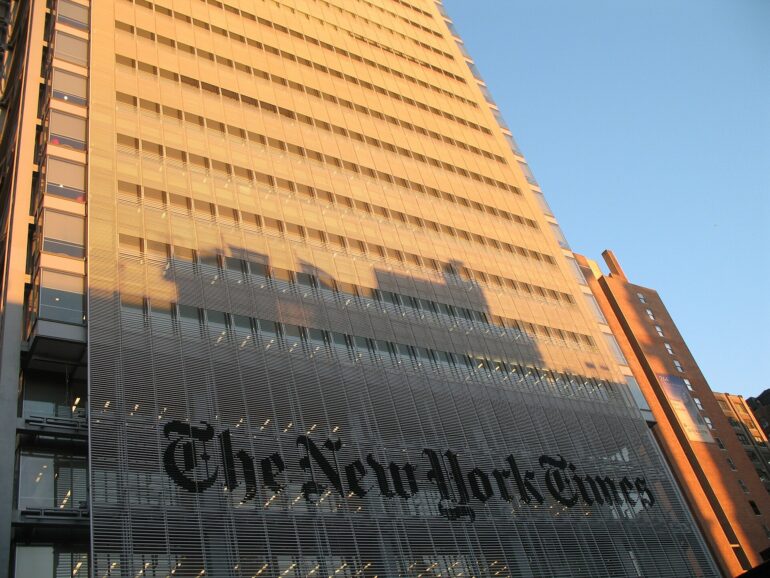

New York Times reporters are expected to regain access to the Pentagon as early as Monday following a federal court ruling that struck down portions of the Defense Department’s media policy, marking a significant development in an ongoing dispute over press freedom and national security.
On Friday, U.S. District Court Judge Paul Friedman ruled that key elements of the Pentagon’s restrictions on journalists were unconstitutional. His decision specifically ordered the immediate reinstatement of press credentials for seven reporters from The New York Times, effectively reversing actions that had barred them from access to one of the nation’s most critical military institutions.
The ruling appears to have prompted movement within the Pentagon. According to reporting from Status’s Natalie Korach, the Defense Department signaled late Sunday that it intended to comply with the order and restore the revoked press passes. Just hours earlier, however, uncertainty remained. A spokesperson for The New York Times confirmed that the outlet was still awaiting a formal response after its legal team sent a letter to Pentagon counsel requesting reinstatement by Monday.
The Pentagon initially declined to directly address questions about whether it would comply, instead referring inquiries to a public statement from chief spokesperson Sean Parnell. In that message, Parnell indicated that the department plans to appeal the ruling, suggesting the legal battle may be far from over even as credentials are reinstated.
At the center of the dispute are rules implemented last year that granted the Pentagon authority to designate certain reporters as “security risks.” Under those guidelines, journalists could lose their credentials based on behavior the department determined to be threatening to national security.
The policy quickly drew criticism from across the media landscape, with concerns that it gave government officials broad discretion to limit press access without clear standards or accountability. In a rare show of unity, dozens of journalists — including reporters from Fox News and Newsmax — chose to surrender their credentials rather than agree to the terms, underscoring the seriousness of the concerns.
While the court’s decision is being viewed by many as a victory for press access, it also raises broader questions about how to balance transparency with legitimate security concerns, particularly during a time of heightened global tensions. The Pentagon, tasked with safeguarding sensitive information, has argued that it must retain the ability to restrict access when necessary.

At the same time, critics of the policy warn that overly broad restrictions risk undermining the very accountability that a free press is meant to ապահով, especially when military actions carry significant consequences both abroad and at home.
The reinstatement of The New York Times reporters’ credentials may resolve the immediate dispute, but the Pentagon’s planned appeal ensures that the larger debate will continue. As the legal process unfolds, the outcome could shape how the military interacts with the press for years to come.
For now, the episode serves as a reminder of the ongoing tension between national security and the public’s right to know — a balance that becomes even more delicate in times of conflict, when decisions made behind closed doors can carry profound costs.